Pollen counts drop. Trees are bare. Grass is dormant. Yet allergy symptoms persist or even worsen for millions of people during winter months. The apparent contradiction—allergies flaring when outdoor allergens are minimal—points to indoor air as the culprit.
Winter creates a perfect storm for indoor allergen exposure. Homes become sealed environments where allergens accumulate without the dilution effect of open windows and outdoor air exchange. Heating systems circulate trapped allergens continuously. Low humidity keeps particles airborne longer.
Understanding why winter allergies differ from seasonal outdoor allergies explains why treatments that work in spring and summer often fail in winter.
The Indoor Allergen Shift
Allergies don’t disappear in winter—they shift sources.
- Spring/Summer: Pollen dominates. Tree, grass, and weed pollen trigger reactions. The allergen source is outdoor, entering homes through open windows and on clothing.
- Fall/Winter: Indoor allergens dominate. Dust mites, pet dander, mold spores, and cockroach particles become the primary triggers. These allergens are present year-round but cause more problems in winter due to changes in exposure patterns and air quality.
The shift is quantifiable. Studies measuring indoor allergen levels show that while absolute amounts may not increase dramatically in winter, exposure increases because people spend 90%+ of their time indoors, breathing the same recirculated air.
Dust Mites: The Winter Allergen Champion
Dust mites are microscopic arachnids that feed on dead skin cells. They’re invisible to the naked eye but present in virtually every home, concentrated in bedding, upholstered furniture, and carpets.
Ideal conditions for dust mites:
- Temperature: 68-77°F (most homes maintain this year-round)
- Humidity: Above 50% (but they can survive in lower humidity if hydration sources exist)
- Food source: Human skin cells (abundant in bedding and furniture)
Winter creates complications:
Homes are sealed, trapping dust mite allergens that would normally be diluted through ventilation. Heating systems circulate these allergens throughout the home continuously.
The allergen isn’t the mite itself—it’s their fecal particles and body fragments. These are lightweight and remain airborne for hours after disturbance. Every time someone sits on a couch, walks across carpet, or makes a bed, clouds of these particles become airborne.
Why winter humidity matters for dust mites:
While low humidity (below 50%) reduces dust mite reproduction, it doesn’t eliminate existing mites immediately. Populations decline over weeks to months, not days. Meanwhile, the allergen particles they’ve already produced remain.
Counterintuitively, some research suggests allergic symptoms may worsen in low humidity even as mite populations decline. This occurs because:
- Low humidity keeps lighter particles airborne longer
- Dried allergen particles fragment into smaller pieces that penetrate deeper into airways
- Dry respiratory passages are more reactive to allergen exposure
Pet Dander Concentration
Pet ownership has increased substantially, with over 60% of U.S. households having pets. Pet dander—microscopic skin particles—is a major allergen that intensifies in winter.
Why winter amplifies pet dander problems:
- Reduced ventilation: In warm months, open windows dilute and remove airborne dander. In winter, sealed homes trap it.
- Forced air heating: HVAC systems distribute dander throughout the home. Even rooms where pets don’t enter can have significant dander levels due to air circulation.
- Pets indoors more: Dogs that spend summer days outdoors stay inside during cold weather, increasing dander concentration.
- Seasonal coat changes: Many breeds shed winter coats, releasing more dander during fall and early winter.
- Static electricity: Low humidity increases static, which causes dander particles to cling to surfaces and clothing. When disturbed, they become airborne in larger quantities.
The persistence problem:
Pet dander is exceptionally persistent. Particles remain detectable in homes for months to years after pets are removed. They’re also “sticky,” adhering to walls, furniture, and textiles through electrostatic attraction.
A single cat produces approximately 100,000 dander particles daily. In a sealed winter home, these accumulate faster than natural air exchange can remove them.
Mold Spores: The Hidden Winter Allergen
Mold is commonly associated with summer humidity, but specific winter conditions can create or worsen mold problems.
Winter moisture sources that feed mold:
- Condensation: Warm indoor air meeting cold windows creates condensation. Water runs down glass to frames and sills—prime mold locations.
- Bathroom humidity: Showers and baths release moisture. If ventilation is inadequate (or turned off to conserve heat), humidity persists and mold grows.
- Basement moisture: Ground moisture migrates into basements year-round. Combined with cool basement temperatures and often poor ventilation, mold thrives.
- Humidifier contamination: Improperly maintained humidifiers become mold breeding grounds, dispersing spores with every use.
- Christmas tree mold: Real trees often harbor mold spores. Bringing them indoors and decorating them releases these spores into home air.
- HVAC system contamination: Ductwork, particularly in unconditioned spaces like attics and crawl spaces, can harbor mold that gets distributed throughout the home when heating runs.
Symptoms distinguishing mold allergy from other winter allergies:
Mold allergies often include:
- Worsening symptoms in specific locations (bathrooms, basements)
- Musty or earthy smell correlation with symptoms
- Symptoms triggered by activities that disturb mold (cleaning, moving items in storage)
- Persistent nasal congestion that doesn’t respond well to standard antihistamines
The Dry Air Paradox
Low winter humidity seems incompatible with biological allergens that need moisture. Yet symptoms often worsen. Several mechanisms explain this paradox:
Allergen Particle Behavior Changes
In higher humidity (40-60%), allergen particles absorb moisture, become heavier, and settle faster. They remain on surfaces rather than staying airborne.
In low humidity (below 30%), particles remain lightweight and airborne longer after disturbance. A person walking through a room with 20% humidity keeps allergen particles floating for 2-3x longer than the same room at 45% humidity.
This means respiratory exposure increases even if total allergen load remains constant.
Respiratory Barrier Compromise
Nasal passages and airways maintain a mucous layer that traps inhaled particles, including allergens. This layer requires adequate humidity to function optimally.
In dry air (below 30% humidity), this barrier dries out and becomes less effective. Allergens that would normally be trapped and expelled instead make direct contact with immune cells in airway tissue.
The result: increased allergic response to the same allergen exposure level that wouldn’t trigger symptoms in properly humid air.
Enhanced Immune Reactivity
Research suggests that respiratory tissue irritated by dry air shows increased inflammatory responses. The immune system, already dealing with tissue irritation from dryness, responds more aggressively to allergen exposure.
This creates a synergistic effect: dry air + allergens cause worse symptoms than either alone.
Forced Air Heating’s Role
Central forced air heating systems, while efficient for temperature control, create specific problems for allergy sufferers.
- Continuous circulation: The system runs frequently in winter, constantly moving air—and allergens—through ducts and into living spaces.
- Filter inadequacy: Standard HVAC filters (MERV 1-4) catch large particles but allow allergen-sized particles through easily. These filters protect HVAC equipment, not air quality.
- Even better filters (MERV 8-11) allow substantial allergen penetration. True allergen removal requires MERV 13+ or HEPA filtration, which most residential HVAC systems can’t accommodate without modifications due to airflow restrictions.
- Duct contamination: Years of accumulated dust, dander, and debris in ductwork get disturbed and released every time the system runs. Professional duct cleaning helps but isn’t permanent—reaccumulation begins immediately.
- Temperature cycling: Heating cycles create air currents that repeatedly disturb settled allergens on surfaces, making them airborne.
The Bedroom Problem
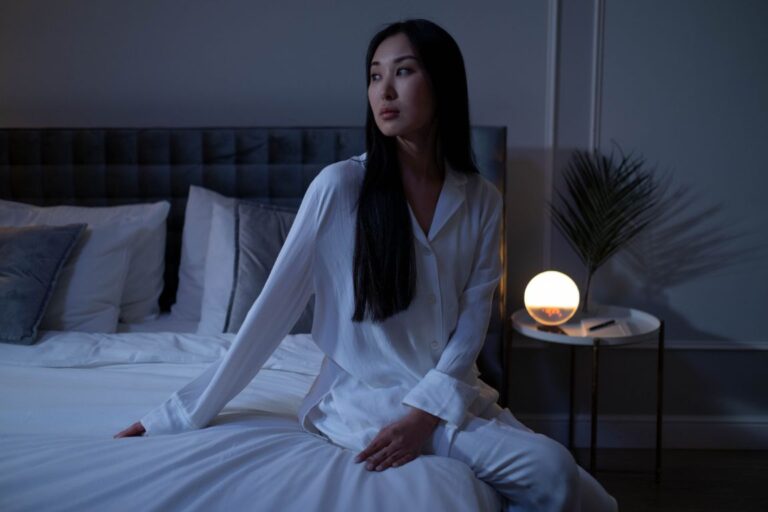
Bedrooms often have the highest allergen concentrations in homes, creating problems given the 7-8 hours of continuous exposure during sleep.
Allergen concentration factors:
- Bedding: Mattresses, pillows, and blankets harbor dust mites. A typical used mattress contains 100,000 to 10 million dust mites. Their waste products accumulate in bedding fabric.
- Minimal air exchange: Bedrooms have doors closed at night for privacy and quiet. This eliminates air exchange with the rest of the home. Allergens concentrate without dilution.
- Body heat and moisture: Sleeping humans produce heat and moisture—ideal conditions for dust mites in bedding.
- Carpet: If present, bedroom carpet holds substantial allergen reservoirs. Walking on carpet disturbs particles; sleeping puts the face within feet of this source.
- Stuffed animals and upholstered furniture: Common in bedrooms, these items harbor dust mites and collect dander.
Nighttime symptoms as diagnostic clues:
- Waking with nasal congestion that clears during the day suggests bedroom allergen exposure
- Morning sneezing fits within minutes of waking indicate allergen disturbance from movement
- Symptoms improving on vacation or when sleeping elsewhere confirms environmental source
Cockroach Allergen (Often Overlooked)
Cockroach allergen is a major trigger in some homes, particularly in urban areas and older buildings. It’s often overlooked because:
- People don’t see roaches (they’re nocturnal and hide)
- Allergen persists even after pest elimination
- It’s not commonly discussed in allergy testing despite being a significant trigger
Cockroach allergen comes from feces, saliva, and body parts. It concentrates in kitchens but spreads throughout homes via air circulation.
Winter exacerbates the problem because:
- Cockroaches seek warmth indoors
- Sealed homes trap the allergen
- People spend more time in kitchens (cooking, baking during holidays)
Holiday-Specific Triggers
Several winter holidays introduce unique allergen exposures:
- Christmas trees: Real trees carry mold spores and sometimes pollen. A study found that bringing a real tree indoors can increase mold spore counts 5-fold within two weeks.
- Decorations: Stored decorations accumulate dust and mold during months in attics, basements, or garages. Unpacking them releases these allergens.
- Increased cooking: Holiday baking and cooking releases particles and odors that can trigger reactions, particularly in people sensitive to food proteins or combustion byproducts.
- Guests: Visitors bring outdoor allergens on clothing and may have pets at home that deposit dander.
- Candles and air fresheners: While not allergens themselves, these can trigger respiratory irritation that compounds allergic responses.
Many people experience worsening symptoms during November-December and attribute them to “holiday stress” or increased illness exposure without recognizing environmental triggers.
Why Standard Allergy Treatments May Fail
Antihistamines and other medications developed for outdoor seasonal allergies don’t always work well for winter indoor allergies because:
- Continuous exposure: Outdoor pollen exposure is intermittent. Indoor allergens provide constant exposure, overwhelming medication effectiveness.
- Multiple simultaneous allergens: Spring might involve one or two pollens. Winter indoor air contains dust mites, pet dander, mold, and possibly cockroach allergens simultaneously. The combined load exceeds what medication can control.
- Inflammation persistence: Outdoor allergies cause acute inflammatory responses. Indoor winter allergies cause chronic low-grade inflammation that’s harder to reverse with standard medications.
- Barrier compromise: Medications don’t address the dried, compromised respiratory barriers that enhance allergen penetration.
Differentiation from Cold and Flu
Winter allergy symptoms overlap substantially with viral illness symptoms, creating diagnostic confusion.
Clues suggesting allergies rather than infection:
- Duration: Colds last 7-10 days. Flu lasts 1-2 weeks. Allergies persist for weeks to months with consistent symptoms.
- Itch: Allergic rhinitis often includes itchy eyes, nose, and throat. Infections rarely cause itch.
- Mucus color: Allergic mucus is clear and watery. Infection often produces thick, colored mucus (though clear mucus doesn’t rule out infection).
- Fever: Allergies don’t cause fever. Its presence suggests infection.
- Response pattern: Allergy symptoms improve away from home. Cold/flu symptoms persist regardless of location.
- Predictability: Allergies worsen with specific exposures (making the bed, playing with pets). Infections follow time-based progression.
The confusion leads many people to repeatedly seek treatment for “persistent colds” when the actual problem is environmental allergies.
Children and Winter Allergies
Children are particularly vulnerable to winter indoor allergens for several reasons:
- Time indoors: Children, especially young ones, spend more time on floors where allergen concentrations are highest (particles settle downward).
- Play behavior: Crawling, rolling, and playing in carpeted areas creates maximum allergen disturbance and exposure.
- Developing immune systems: Children’s immune responses can be more vigorous, leading to stronger allergic reactions.
- Sleep needs: Children need more sleep than adults, meaning longer exposure to bedroom allergens.
- Communication limitations: Young children may not articulate symptoms clearly, leading to under-recognition of allergy problems.
Recurrent “colds” in winter, persistent nasal congestion, mouth breathing, snoring, and behavior changes may all indicate unaddressed indoor allergies rather than infections.
The Measurement Gap
Most people have no objective data about their home’s allergen levels. Unlike outdoor pollen counts (widely reported), indoor allergen levels remain invisible without testing.
Commercial allergen test kits exist but are expensive and often require laboratory analysis. Few people invest in this testing, so they manage symptoms without knowing what specific allergens are problematic.
This knowledge gap makes targeted interventions difficult. Someone might invest in allergen-proof bedding without realizing their primary trigger is pet dander, or vice versa.
Air quality monitors can measure particulates (PM2.5, PM10) which correlate with allergen levels, providing at least directional information about air quality changes.
Seasonal Pattern Recognition
The key diagnostic feature of winter indoor allergies is the seasonal pattern:
- Symptoms begin or worsen when heating season starts (October-November)
- They persist throughout winter regardless of outdoor weather
- They improve notably in spring when windows open and heating reduces (April-May)
- The pattern repeats predictably each year
This pattern, distinct from outdoor pollen allergies (which follow plant blooming cycles) or infection patterns (which are random and time-limited), strongly suggests indoor environmental triggers.
Keeping a symptom journal noting dates, severity, and activities can reveal patterns that point to specific triggers and effective interventions.
The Interconnected Nature of Winter Indoor Air
Winter indoor allergies don’t exist in isolation. They interact with other winter air quality issues:
Dry air → compromised respiratory barriers → enhanced allergen reactivity
Poor ventilation → CO2 buildup → increased respiratory rate → more allergen inhalation
Heating system operation → continuous allergen circulation → persistent exposure
Sealed home → allergen accumulation → increasing concentration over winter months
Addressing one factor (adding humidity, improving filtration, increasing ventilation) can have multiplicative benefits by breaking these interconnected cycles.